Life online
A worldwide exploratory UX research study on how people use the web in their daily lives for Nielsen Norman Group
00

problem
The web shapes how people live, work, and connect—but how? Life Online was a broad, exploratory study to understand how people actually use the web in their everyday lives, which activities they value most, and how their behaviors or opinions change as a result of their online experiences. There was no single hypothesis to test; the goal was to uncover patterns, mental models, and pain points that could inform design decisions across the industry. The challenge: coordinating multiple methods (lab-based usability, field studies, diary studies) across multiple locations and cultures, while keeping the research rigorous enough to produce actionable, publishable insights.
solution
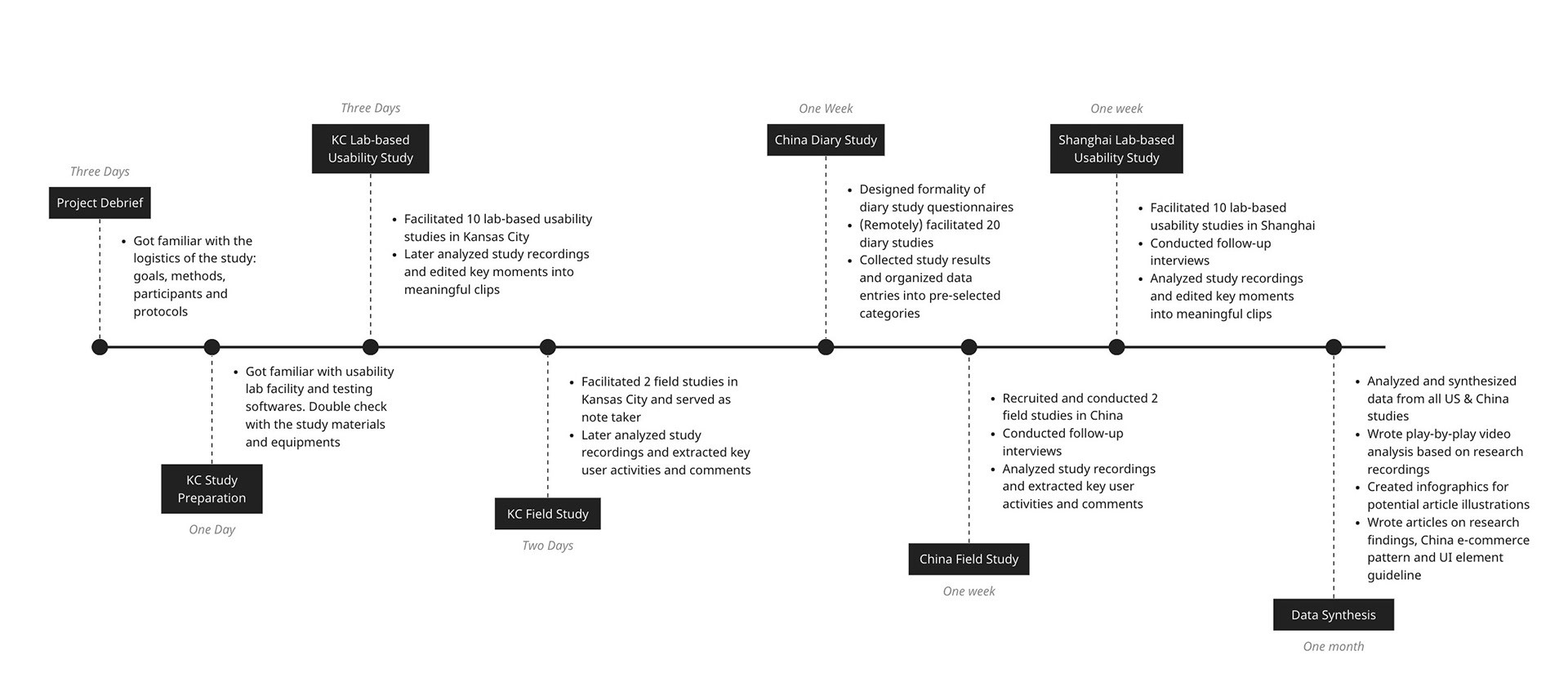
Overall: Executed a multi‑phase research plan across the US and China, then synthesized findings into a taxonomy and shared narrative. Used RealTimeBoard for remote collaborative synthesis and theme identification across studies. Produced play‑by‑play video analysis, infographics, and articles that translated raw research into actionable insights. Key phases: Project debrief → KC lab and field studies → China diary study (remote questionnaire design and facilitation) → China field study (recruitment and facilitation) → Shanghai lab usability (10 sessions with follow‑up interviews) → One month of data synthesis and article writing.
my role
UX research assistant
industry
UX research
timeframe
Jun 2018 - Sep 2018
outcome snapshot
- 3+ articles published on NN/g website - 15+ articles contributed insights on web usage, mental models, cross-cultural patterns - 110+ research participants across 6 cities — lab, field, and diary studies
project snapshot
Large multiphase research study aimed at understanding how people use the web in their everyday lives. Collaborated with Kate Moran, Kim Flaherty, and Xinyi Chen at Nielsen Norman Group. The study involved 7 separate studies, 110+ participants, and 6 cities across the globe. I led research execution in Kansas City and Shanghai, designed diary study questionnaires, and wrote articles on research findings, China e-commerce patterns, and UI element guidelines.
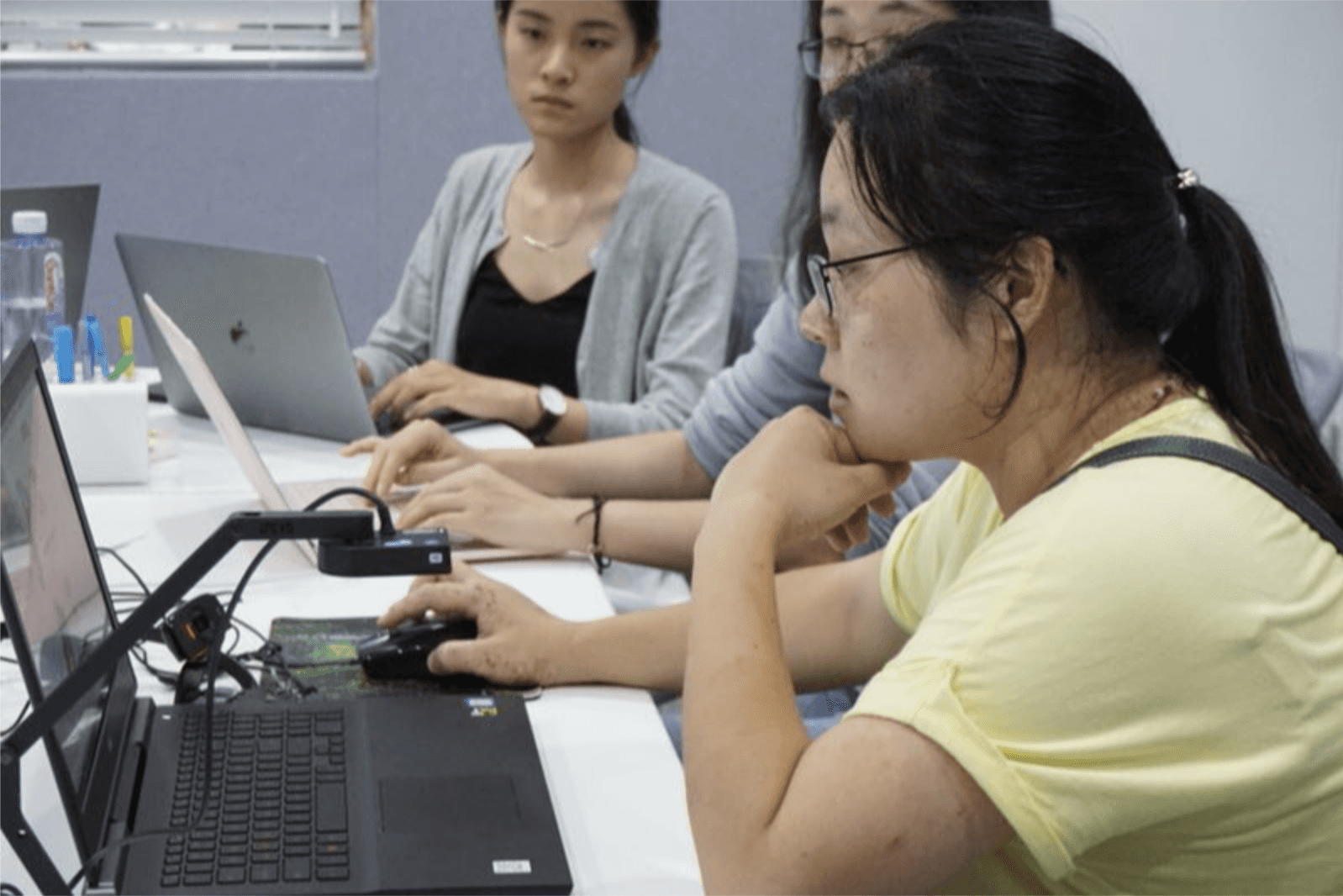
Lab-based usability studies: Facilitated 10 sessions each in Kansas City and Shanghai, plus follow-up interviews. Analyzed recordings and edited key moments into meaningful clips for playback and analysis.
Field studies: Facilitated 2 field studies in Kansas City and 2 in China, with note-taking and unobtrusive recording (iPad Pro + GoPro). Extracted key user activities and comments from recordings.
Diary studies: Designed the formal structure of diary study questionnaires. Remotely facilitated 20 diary studies in China. Collected results and organized data entries into pre-selected categories.
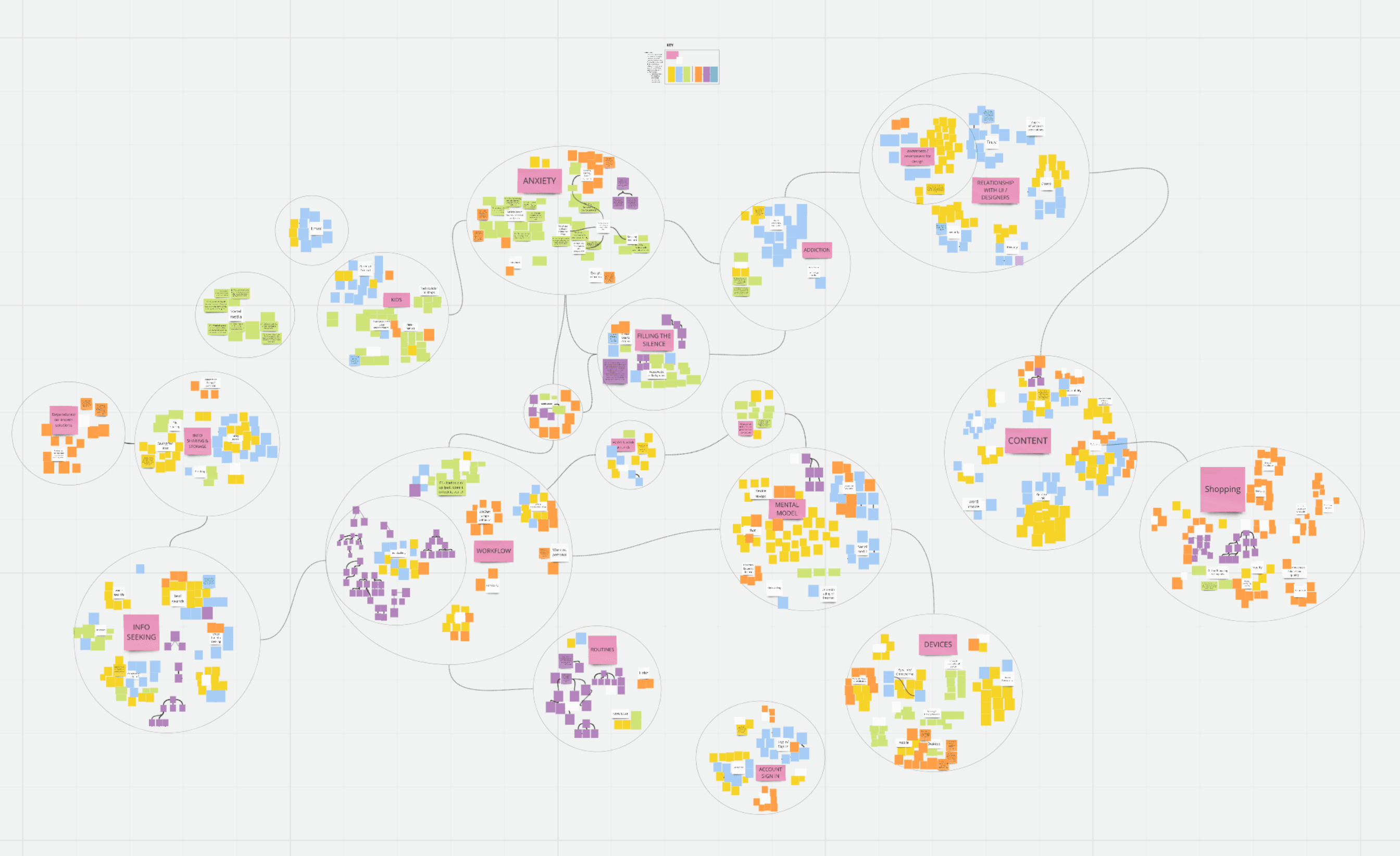
Data synthesis: Built a taxonomy from literature review, survey, and iterative coding cycles. Used RealTimeBoard for remote collaborative synthesis and theme identification across studies. Produced play‑by‑play video analysis, infographics, and articles.
research findings
During one Shanghai session, I was taking notes while a participant navigated a mobile login flow.
In China, we saw QR-code scanning and verification codes used everywhere—workarounds that bypassed the password problem entirely. That insight became the article Mobile Login Methods Help Chinese Users Avoid Password Roadblocks—a small example of how cross-cultural research can surface patterns that designers in the US might never encounter alone.
The research was broad and exploratory; the moments that mattered were the ones that turned into stories others could use.
The result of Life Online study is published as a series of articles themed around internet use pattern between China vs. US, and e-commerce design strategies on the NN/g website.
Mobile Login Methods Help Chinese Users Avoid Password Roadblocks: In China, QR-code scanning and verification codes are popular mobile-login alternatives that circumvent the problem of remembering and typing passwords.
The Vortex: Why Users Feel Trapped in Their Devices: Many users report anxiety and lack of control over the amount of time they spend online. We call this feeling “the Vortex.”
Technology Myths and Urban Legends: When users don’t clearly understand how systems function, they develop unique (and often incorrect) theories to explain their experiences.
Filling the Silence with Digital Noise: Many people use digital media to avoid silence or empty time.
research timeline & process
01
02
takeaway thoughts
This internship taught me that UX research at scale is about structure as much as insight—building taxonomies, coordinating remote teams, and designing methods that work across cultures. I enjoyed the variety: lab sessions one week, field studies the next, then diary studies and synthesis. The challenge of taking raw data from 110+ participants and turning it into actionable articles was exactly what I wanted.
I appreciated the mentorship from Kim Flaherty and the team—and the chance to write about topics that felt difficult (e.g., cross-cultural e-commerce, mental models, device anxiety). The research surfaced things like "the Vortex" (users feeling trapped in their devices) and technology myths that users build when systems don't explain themselves. Those patterns matter. I care about research that helps people build better products—and that's what Life Online did.